Fall Protection
-
Elevating work safety to new heights
-
Keep your workers safe from fall hazards at loading baysBrowse Safety Articles
Minimise fall risks and protect your workers with actionable insights on identifying hazards, preventing falls, and choosing the right fall protection systems.


Fall Protection Product Categories


-
Find the most suitable type of anchor for your needs: steel anchors, concrete anchors and specialty safety anchors like our vacuum anchor or other systems designed for your basic to unique applications.
-
Discover our extensive range of fall arrest harnesses designed with the latest technology. They provide freedom of movement and flexibility to work in a more comfortable and efficient manner.
-
Connector types vary depending on whether the worker needs connection for a personal fall arrest or positioning and travel restriction.
-
Our goal is not only promoting work at height safety, but getting them safely back to the ground with advanced, reliable rescue systems. We offer the most complete line of safe, easy-to-use and effective rescue systems in the industry. Learn more
-
Objects dropped from height can result in personal injury to workers, others at the worksite and equipment. When planning for workplace safety, remember, fall protection is about you; dropped object prevention is about those around you.
-
Our broad selection of both permanent and temporary, horizontal and vertical lifelines offer significant advantages in safety and productivity and have been precision engineered for a wide range of applications.
-
No two confined spaces are exactly alike. Type, size and hazards vary greatly, along with different standards, regulations and company policies that can apply to each working environment.
-
Working in any environment above any level where a person could fall causing injury. This includes working on a ladder, scaffolding, flat or sloped roofs, near an edge or an opening in a floor or wall and many, many more.
Did You Know?
-
Fall protection equipment such as body harnesses and lanyards used in a harsh workplace environment where mechanical abrasion and chemical exposure is present can become damaged or worn to the point that it is no longer safe for use.
One of the biggest challenge in most workplace is how to correctly identify defects and remove them from service to avoid equipment failure in the event of a fall. To address this gap, ANSI Z359.1-2007 standard stipulates that equipment needs to be inspected by a competent person each year. BS EN 365 also states that periodic examinations are only to be conducted by a competent person authorized by the manufacturer and strictly in accordance with manufacturer’s procedures.
Want to learn how to be a 3M fall protection equipment competent inspector?
Read about our Competent Inspector Training Course (PDF, 4.3 MB).

-
Loading bays are among the busiest areas in many workplaces, yet the fall hazards associated with routine activities are often overlooked. Workers may need to climb onto tankers, flatbed trucks, tipper trucks, containers, or loading platforms to perform inspections, secure loads, install tarpaulins, or handle cargo.
Because these tasks typically occur at low heights, many organisations assume the risks are minimal. However, falls from low heights can still result in serious injuries, especially when combined with moving vehicles, hard surfaces, and time pressure.
Explore our brochures, infographics, and educational articles to learn about common loading bay fall hazards, why guardrails may not always provide sufficient protection, and key considerations when selecting fall protection systems for your workplace.
Download our full guide brochure (PDF, 30.8 MB).
Download simplified infographics guide (PDF, 26.9 MB)

-
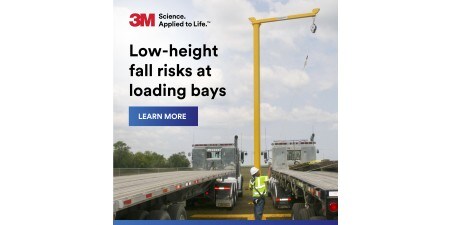 The Most Dangerous Falls in Your Loading Bays Are Happening at Low Heights
Discover why some of the most serious loading bay incidents occur from low heights and what you can do to reduce the risk.
-
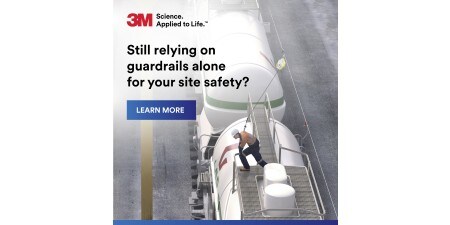 Guardrails Alone Are Not Enough
Learn why guardrails alone may not provide adequate protection and explore additional measures to help keep workers safe.
-
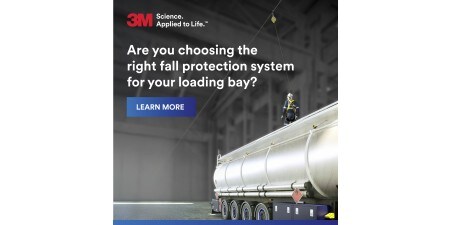 Not All Fall Protection Systems Are Designed for Loading Bays
Understand the key considerations for selecting a fall protection system that's suitable for loading bay environments and your specific workplace needs.

Need help? Get in touch with our team
Our Fall Protection team has years of experience and is here to help you.
Need more help? Protecting workers at height
